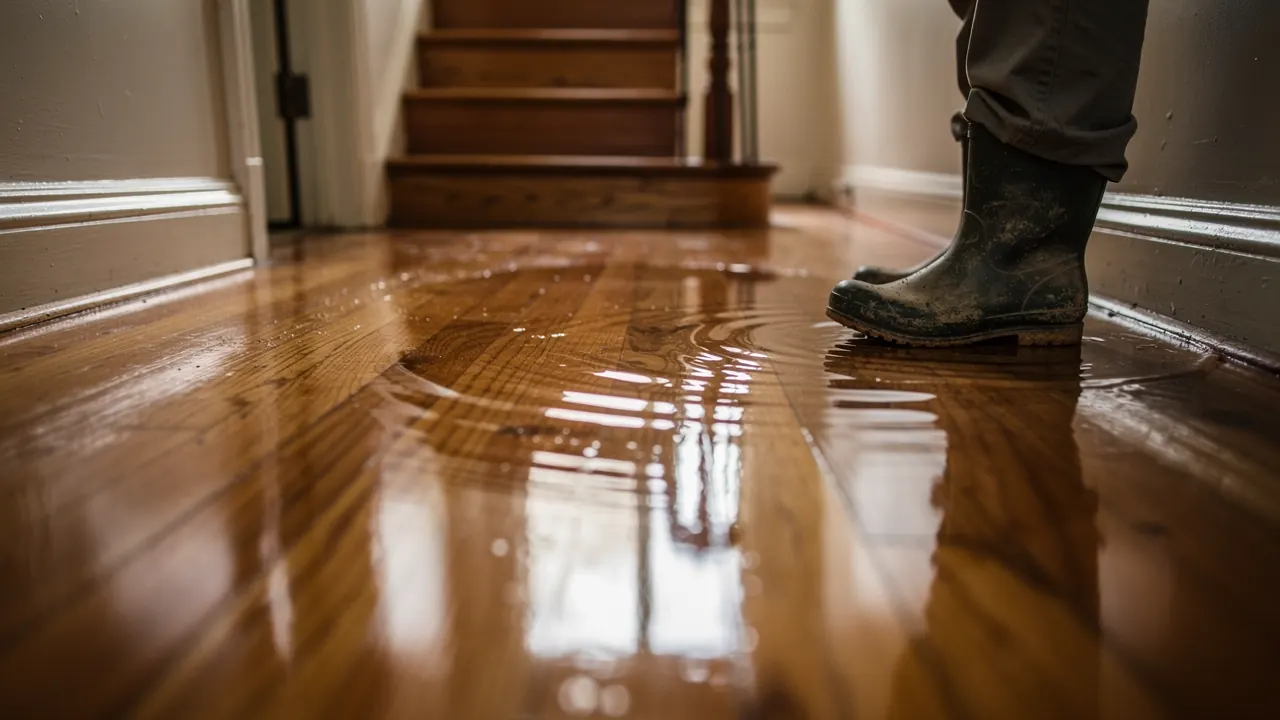
Knowing what to do after water damage — in the right order — routinely saves Chicago homeowners thousands of dollars and weeks of disruption. The order matters more than people expect: act too slowly and materials that could have been dried become demolition; act too fast in the wrong way and you can create a safety hazard or weaken an insurance claim. Here's the sequence pros recommend, whether you're in a Humboldt Park two-flat or a high-rise off the lake. And at any point, you can shortcut the uncertainty: call (331) 373-2437, describe what you're seeing, and get connected with a local crew that does this daily.
Once the water's stopped and photos are taken, professional drying is what prevents mold. Describe the scene and get matched with a local crew.
Call (331) 373-2437 NowFirst Steps When Your House Floods
- Stop the source if you safely can. For plumbing failures, close the main water shutoff — in most older Chicago homes it's in the basement on the street side, near the water meter. For storm or sewer water, there's nothing to shut; skip ahead.
- Deal with electricity before you touch water. If water is near outlets, cords, or the panel, stay out of it. Kill power to affected areas at the breaker only if you can reach the panel without standing in water — otherwise leave it to professionals.
- Protect people first. Kids and pets out of wet areas, especially if the water might be contaminated.
- Document everything. Photos and video of the water at its worst, every affected room, and damaged belongings — before you move or remove anything. Your future insurance claim depends on this record.
- Then start removing water and moving contents. Squeegee, wet-vac, towels; furniture up on foil or blocks; rugs and boxes off wet floors.
- Get air moving. Fans and a dehumidifier if you have them; open windows only when outside air is drier than inside.
Should I Turn Off Electricity After Flooding?
The most common safety question deserves its own answer: yes, if you can do it without standing in or reaching over water — and no, absolutely not, if the panel itself is in a flooded basement. Water conducts; a basement with a few inches of water and a live panel is a genuine electrocution risk. When in doubt, leave the power on, stay out of the water, and say so when you call (331) 373-2437 — crews handle live-panel situations regularly and ComEd can disconnect service at the meter when needed.
Read the checklist, then say what you found out loud to someone who handles it daily — they'll catch what a homeowner misses.
Call (331) 373-2437 NowHow Fast Does Mold Grow After Water Damage?
Faster than the weekend you were planning to wait. Mold spores are already present in every building; give them damp drywall, wood, or fabric and they begin colonizing in roughly 24 to 48 hours. By day three to five, growth can be established inside wall cavities where you can't see it. This is the deadline behind every urgency claim in this industry, and it's real. It's why emergency water removal exists as a 24/7 service rather than a business-hours one, and why "it mostly dried on its own" often turns into a remediation bill months later.
How Long Does Water Damage Restoration Take?
A realistic timeline for a typical residential loss: extraction the first day, structural drying for three to five days with daily moisture checks, then rebuild — anywhere from a few days of drywall-and-paint to several weeks for a gutted finished basement. Cost tracks the same variables; the restoration cost guide puts honest numbers to each stage.
The single highest-leverage move in this entire checklist is making the call early. Call (331) 373-2437, walk through what you're seeing — standing water, a spreading ceiling stain, a musty smell that appeared after a storm — and get matched with an independent local pro who can be there while your materials are still savable. More on how this free connection service works is on the homepage.
If materials stay wet past two days, the job changes. Call while you're still inside the window.
Call (331) 373-2437 Now