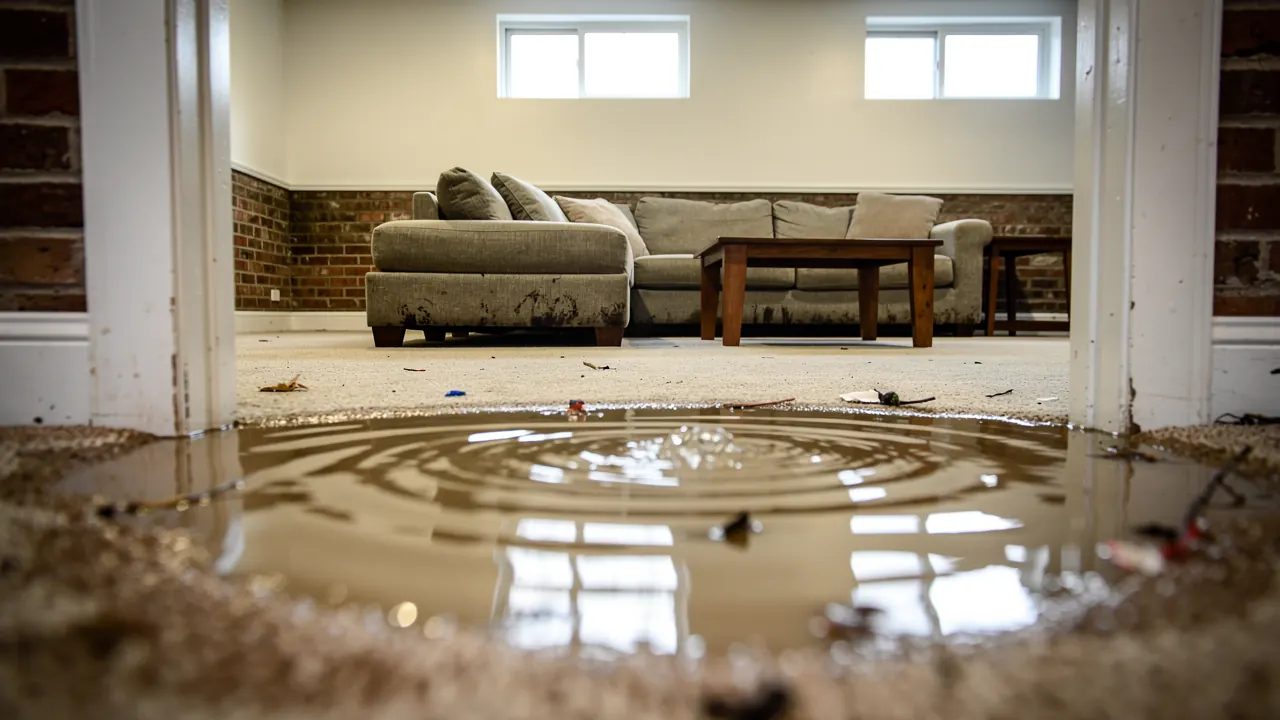
Flooded basement cleanup in Chicago is its own specialty, because Chicago basements flood for reasons most cities don't have. Across the Bungalow Belt — Portage Park, Jefferson Park, and the miles of brick bungalows between them — basements were dug a century ago as utility space and later finished into rec rooms, bedrooms, and rental units. The drain tile, the clay soil, and the sewer connections were never designed for that. When heavy rain hits, water finds the low point of the house. If that low point is currently underwater, call (331) 373-2437 and describe what you're looking at — you'll be connected with independent local crews that pump out, dry, and restore basements every week.
Say whether it's seepage, a failed sump, or sewer backup — the right cleanup crew depends on which one it is, and a local pro can tell from your description.
Call (331) 373-2437 NowWater in Basement in Chicago: Why It Keeps Happening
It helps to know which of the three common failure modes you've got, because cleanup differs for each:
- Seepage — water coming through foundation walls, floor cracks, or the cove joint where wall meets floor. Common after long soaking rains when clay soil around the foundation saturates.
- Sump pump failure — the pump loses power, the float sticks, or the pit simply can't keep up during an intense downpour. Spring thunderstorm season is when most Chicago sump pumps get found out.
- Sewer surcharge — water rising up through floor drains when the sewer system is overwhelmed. That's contaminated water and a different animal entirely; see the sewage backup cleanup page if there's any smell or the water came up a drain.
The region has spent decades building the MWRD's Deep Tunnel system and reservoirs like McCook to hold storm surges, and it has helped — but a big enough cloudburst can still put water in basements faster than any tunnel can take it away. Many owners eventually invest in overhead sewer conversions or check valves; cleanup crews see the difference those make firsthand.
Basement Water Removal in Chicago: The Process
A typical response to a flooded bungalow or raised ranch basement runs:
- Pump-out. Submersible pumps drop the water level; extractors handle the last inch and pull water from carpet.
- Contents out. Wet boxes, furniture, and storage get moved, sorted, and documented for insurance purposes.
- Tear-out where needed. Saturated carpet pad almost always goes. Drywall gets flood-cut above the waterline if it's been wet more than briefly.
- Cleaning and treatment. Floors and surfaces washed and treated, especially if any drain water is involved.
- Drying. Air movers and dehumidifiers, typically three to five days, verified with moisture readings — concrete and brick hold water far longer than they look wet.
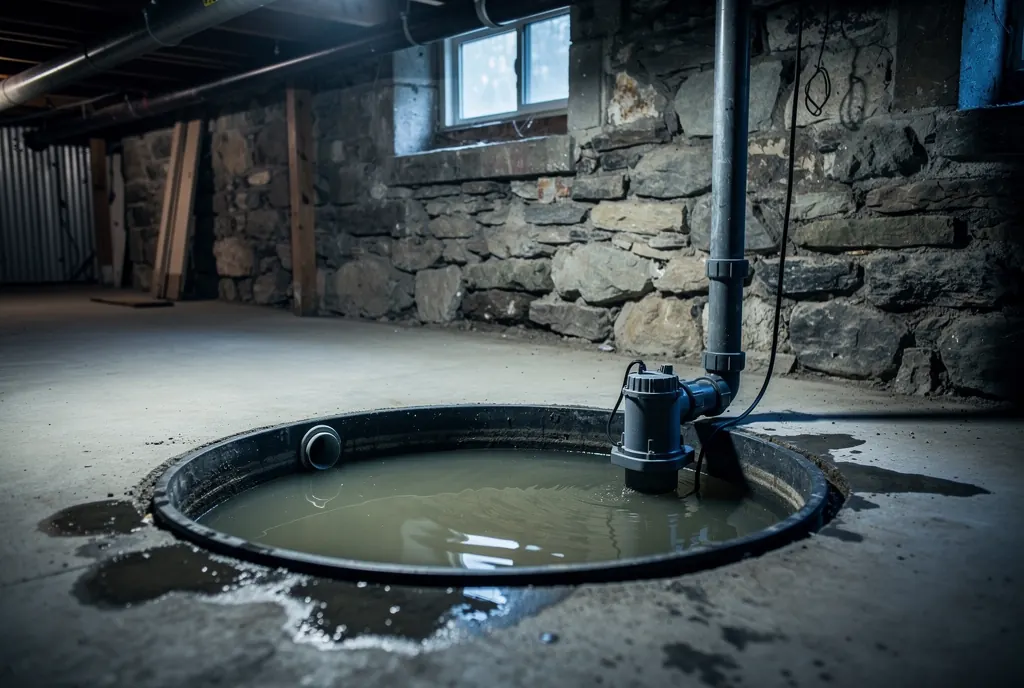
Basement floodwater can hide electrical and contamination hazards. Describe the water level and where your panel sits, and get real guidance first.
Call (331) 373-2437 NowWet Basement Drying and Dehumidification Done Right
The most expensive mistake in basement flood damage restoration is stopping at "looks dry." A below-grade room in July in Chicago sits at high ambient humidity; without mechanical dehumidification, framing and slab moisture just lingers, and by September there's a musty smell that means mold got established behind the paneling. Proper drying is measured, not eyeballed. If your basement flooded more than a couple of days ago and never got professionally dried, it's worth a call even now — remediation early is far cheaper than remediation late.
Who to Call for Basement Flooding in Chicago
Short answer: for water already sitting on the basement floor, call a water damage restoration crew first. A plumber fixes the source — a burst line, a failed sump pump — but a plumber doesn't extract standing water, set drying equipment, or decide what drywall and carpet can be saved. Many Chicago floods need both, and the restoration crew is the one racing the clock.
- Water still pouring in from a pipe? Shut the main water valve (usually where the water line enters the basement wall), then call a restoration crew.
- Water came up through the floor drain? Treat it as sewage — keep everyone out and see sewage backup cleanup.
- Water near the electrical panel or outlets? Don't step in it. Leave the power to ComEd or an electrician first.
- Whole street flooding after a storm? Report it to the City of Chicago through 311 — that's a sewer system problem — and still get the water out of your own basement fast.
What Flooded Basement Cleanup Costs and Who to Call
Small pump-and-dry jobs on unfinished basements sit at the low end of Chicago's typical range; a fully finished basement with tear-out and contaminated water climbs well past the middle. The cost guide lays out realistic numbers and the factors that move them. If water is still actively entering, start with emergency water removal — stopping accumulation beats everything else.
One phone call sorts all of this out faster than reading ever will. Call (331) 373-2437, say how deep the water got, whether it's finished or unfinished space, and where the water came from if you know — floor drain, walls, or pump pit. You'll be matched with a local crew that handles exactly that. More on how this connection service works is on the homepage.
Chronic or first-time, get connected with a crew that dries Chicago basements and can talk through what's letting the water in.
Call (331) 373-2437 Now