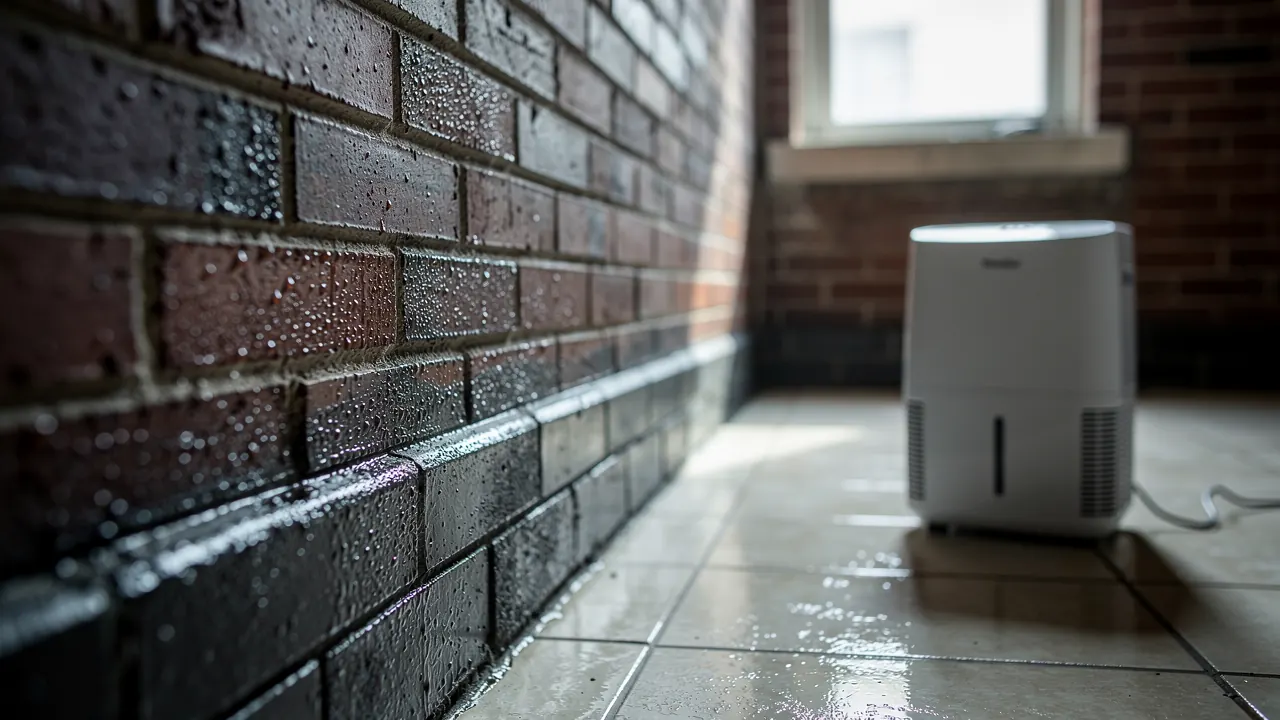
Mold remediation in Chicago is usually chapter two of a water story. Growth can start on damp drywall, wood, and carpet within 48 to 72 hours of a leak or flood — which means the musty smell you notice in August often traces back to water from June. Chicago gives mold plenty to work with: humid lake-air summers, cool masonry foundations that sweat, and thousands of below-grade garden units and basements that never fully dry on their own. If you can see growth or smell it, call (331) 373-2437, describe where it is and what got wet, and get connected with independent local remediation crews.
Either one is worth a call. Describe where it's showing and what got wet recently, and get connected with a remediation crew that finds the moisture source first.
Call (331) 373-2437 NowMold After Water Damage: The 48–72 Hour Reality
Mold spores are everywhere already; what they wait for is moisture. That's why the response window after any water event is short — dry the structure inside two to three days and growth usually never establishes. Miss the window and colonization begins inside wall cavities and under flooring where you can't see it. If your water problem is still active, start with basement flooding cleanup and the after-water-damage checklist; fast drying now is cheaper than remediation later.
Mold Removal in Chicago vs. Remediation vs. Abatement — Honest Definitions
Companies use these words loosely, so here's the straight version. Removal of every mold spore from a building is not physically possible — spores are a normal part of indoor and outdoor air. Remediation is the accurate term: removing active growth and contaminated materials, and returning the space to normal background levels. Abatement means essentially the same thing and shows up more in commercial and property-management contexts. Any crew promising "100% mold elimination forever" is overselling. One more Chicago-relevant fact: Illinois does not license mold remediation contractors at the state level, so it's on you to verify a company's insurance, training, and references — this site connects you with independent local pros, and you hire and vet them directly.
Behind drywall, under flooring, inside wall cavities — say where the water came from and a pro can tell you where else to expect growth.
Call (331) 373-2437 NowWhat Professional Mold Abatement in Chicago Looks Like
A legitimate remediation job follows a recognizable sequence, and it starts with water, not mold:
- Find and fix the moisture source first. Killing growth while the leak, seepage, or condensation continues guarantees a repeat.
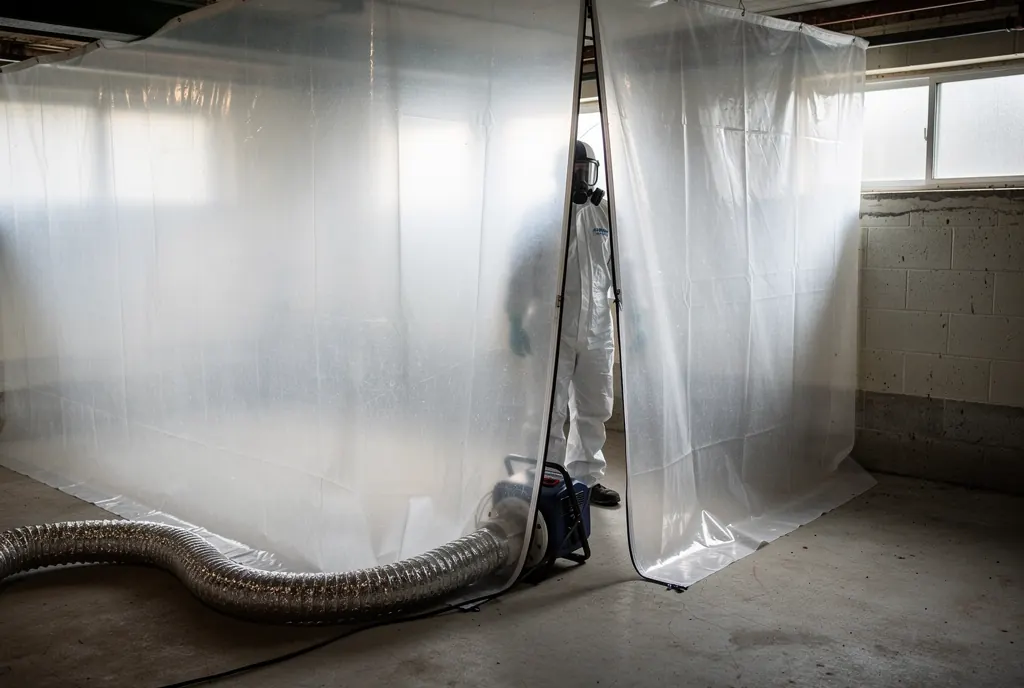
- Containment. Plastic sheeting isolates the work area so demolition doesn't spread spores through the house.
- Negative air pressure and HEPA filtration, exhausting filtered air so the contained zone can't leak into living space.
- Removal of colonized porous materials — moldy drywall, insulation, and carpet come out; they can't be reliably cleaned.
- HEPA vacuuming and damp-wiping of the structural surfaces that stay.
- Drying and verification that moisture levels are back to normal before rebuild.
Fogging or spraying over visible growth without containment and removal is not remediation — it's a repaint with extra steps.
Black Mold Removal in Chicago: What the Color Does and Doesn't Tell You
"Black mold" usually refers to Stachybotrys, but plenty of common molds look black, and color alone doesn't determine how a job should be handled. People react to mold differently, and this page won't make health claims or diagnoses — questions about symptoms belong with a medical professional. What matters practically: visible growth of any color needs the same disciplined process, and per EPA guidance, if you can see mold, sampling is generally unnecessary before cleanup — you don't need to pay for testing to justify removing it.
Humid Summers, Damp Basements: Why Chicago Feeds Mold
Chicago's mold season peaks in July and August, when muggy air meets basement walls that stay cool year-round. Warm humid air condenses on uninsulated brick and concrete foundations, rim joists, and cold-water pipes — chronic dampness with no "leak" to find. Garden apartments and half-basements in the city's courtyard buildings are especially prone, sitting below sidewalk grade with limited airflow. On coverage: homeowners policies typically pay for mold only when it results from a covered water loss, and often with a capped mold limit — the insurance claims guide covers how that plays out.
The practical next step is a phone call. Dial (331) 373-2437, describe where the growth is, what got wet and when, and how big the affected area looks — and get matched with a Chicago-area remediation crew. Everything else this service covers is on the homepage.
Real remediation starts at the moisture source. A short call gets you matched with a crew that treats the cause, not just the stain.
Call (331) 373-2437 Now