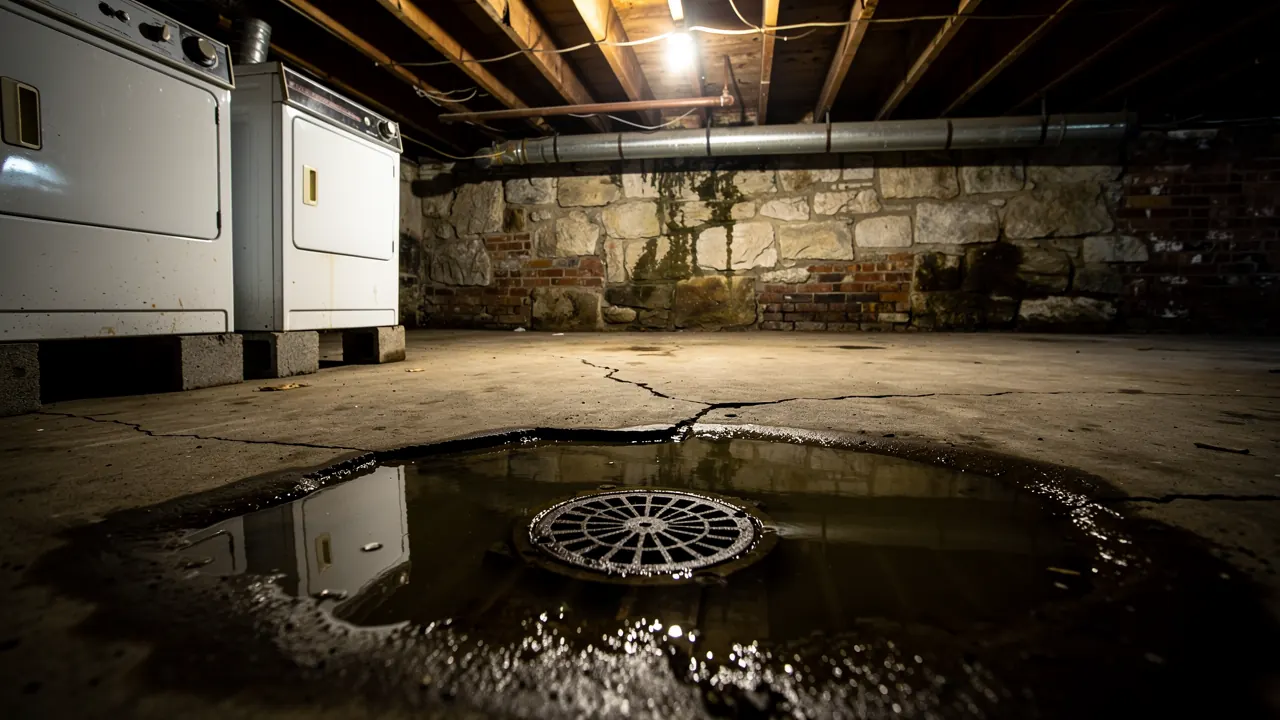
Sewage backup cleanup in Chicago is not a mop-and-bleach job, no matter how small the puddle looks. Water that comes up a floor drain has been in the sewer, and it carries bacteria, viruses, and parasites that don't belong anywhere near a home — the industry calls it Category 3, or black water. If there's sewage on your floor right now, keep kids and pets upstairs, don't run water anywhere in the house, and call (331) 373-2437. Describe the smell, how far it spread, and whether it's still rising, and you'll be connected with independent local crews equipped for contaminated-water work.
Don't handle Category 3 water yourself. Describe where it came up and how far it spread, and get a crew equipped for contaminated-water cleanup.
Call (331) 373-2437 NowSewer Backup in a Basement: A Chicago Classic, Unfortunately
Most of Chicago runs on a combined sewer system — stormwater and sanitary waste share the same pipes. When a summer downpour dumps two inches of rain in an hour, those pipes surcharge, and the overflow looks for the lowest opening it can find. In thousands of homes, that opening is the basement floor drain. Some neighborhoods carry more of this burden than others; Chatham on the South Side has fought chronic, repeated basement backups for decades, and residents there can tell you exactly what a surcharged sewer smells like.
The other common cause is closer to home: the private lateral. Older homes still drain through vitrified clay pipes that crack, sag, and let tree roots in. A root-choked clay lateral backs up on a dry sunny day just fine — usually announced by a gurgling floor drain or a toilet that won't stay down. Either way, the cleanup requirement is the same: removal, disinfection, and verification, not just drying.
Sewage Removal and Disinfection: What Crews Actually Do
Category 3 water changes the rulebook compared to a clean-water basement flood:
- Containment and PPE. Crews work in protective gear and keep contamination from tracking through the house.
- Extraction and solids removal. Everything liquid is pumped and extracted; solids are bagged and disposed of properly.
- Porous materials go. Carpet, pad, cardboard, upholstered items, and drywall the sewage touched are removed — porous materials can't be reliably disinfected.
- Cleaning, then disinfection. Hard surfaces get washed, then treated with antimicrobials. Two separate steps, in that order.
- Drying and clearance. Air movers and dehumidifiers finish the job so nothing damp is left behind a wall.
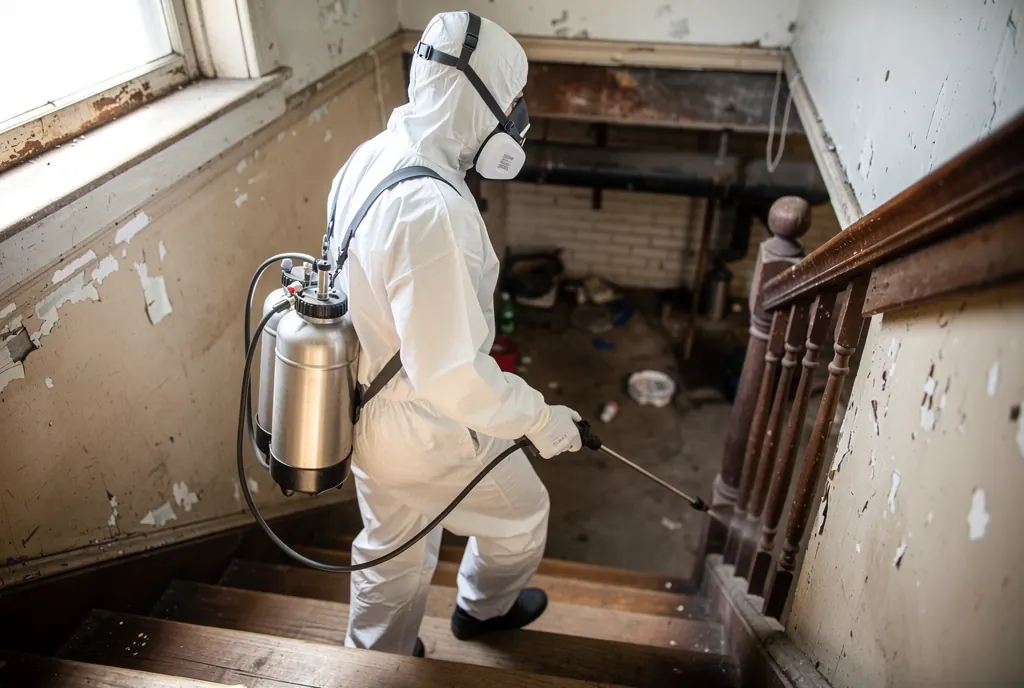
A quick call tells you what can be sanitized and what has to come out — before you spend a weekend scrubbing what needed to be cut out anyway.
Call (331) 373-2437 NowBlack Water Cleanup in Chicago — Category 3 Answers
Can I clean a small backup myself? A cup of toilet overflow on a tile floor, maybe. Anything that came up a drain, spread across a room, or soaked anything porous is a professional job — the health risk isn't proportional to the puddle size.
How fast can someone come? Sewage calls get priority. In most of the city, connected crews can respond within hours, around the clock.
What does it cost? Contaminated-water work runs above clean-water rates because of disposal, disinfection, and tear-out — often the upper half of the typical Chicago restoration range, depending on spread.
Will insurance cover it? Only if your policy has a sewer/drain backup endorsement — a detail most homeowners discover at the worst possible time. The insurance claims guide explains how that rider works and what to document.
Toilet Overflow Cleanup in Chicago and When to Call
A toilet that overflows with waste, a shower backing up with gray sludge, an ejector pit failure in a below-grade bathroom — all of it lands in the same contaminated-water category and all of it qualifies for the same fast response. If clean water is also actively flooding from a separate source, emergency water removal covers that side of the problem, and the homepage maps every service if you're dealing with more than one mess at once.
Call (331) 373-2437 now. Tell whoever answers what you see and what you smell — that thirty-second description is enough to get the right local crew, with the right equipment, headed your way.
Get the cleanup started now and ask the pro on the phone what stops the next one — they've seen your block's sewer setup before.
Call (331) 373-2437 Now